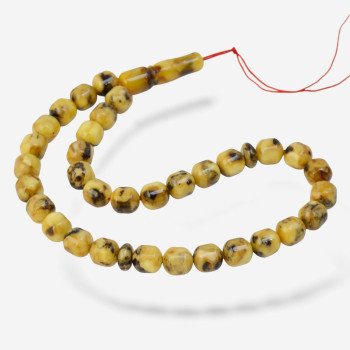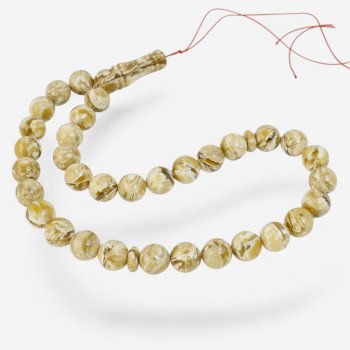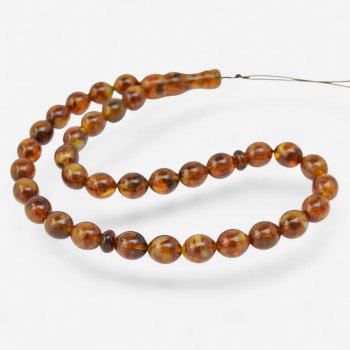
The Baltic prayer beads, often referred to as amber rosaries, are a unique fusion of Islamic spiritual practice and Baltic natural heritage. Used by Muslims for centuries to count prayers and recitations, these beads, known as misbaha or tasbih, are traditionally made from a variety of materials – but Baltic amber adds a distinctive spiritual and cultural dimension to their use. Amber, known as “Baltic gold,” is a fossilized resin that has been treasured for its natural beauty, warmth, and believed healing properties. In the Baltic region – especially in Lithuania, Latvia, and surrounding areas – amber has been used for centuries in both decorative and spiritual contexts.
The Baltic prayer beads, often referred to as amber rosaries, are a unique fusion of Islamic spiritual practice and Baltic natural heritage. Used by Muslims for centuries to count prayers and recitations, these beads, known as misbaha or tasbih, are traditionally made from a variety of materials – but Baltic amber adds a distinctive spiritual and cultural dimension to their use. Amber, known as “Baltic gold,” is a fossilized resin that has been treasured for its natural beauty, warmth, and believed healing properties. In the Baltic region – especially in Lithuania, Latvia, and surrounding areas – amber has been used for centuries in both decorative and spiritual contexts.
In Islam, prayer beads are typically made up of 33 or 99 beads, corresponding to the 99 names of Allah or the three sets of 33 repetitions used in dhikr – the remembrance of God. Believers use the beads to recite praises such as SubhanAllah (Glory be to God), Alhamdulillah (Praise be to God), and Allahu Akbar (God is the Greatest). The repetitive motion and meditative rhythm help deepen concentration and spiritual reflection. Baltic amber beads are especially valued among collectors and devout Muslims for their warmth and natural energy. Amber is said to absorb body heat, releasing a calming resin scent, which can enhance the meditative experience. Because each bead is unique in its color, texture, and internal patterns, an amber misbaha becomes not only a tool for worship but also a personal and meaningful object.
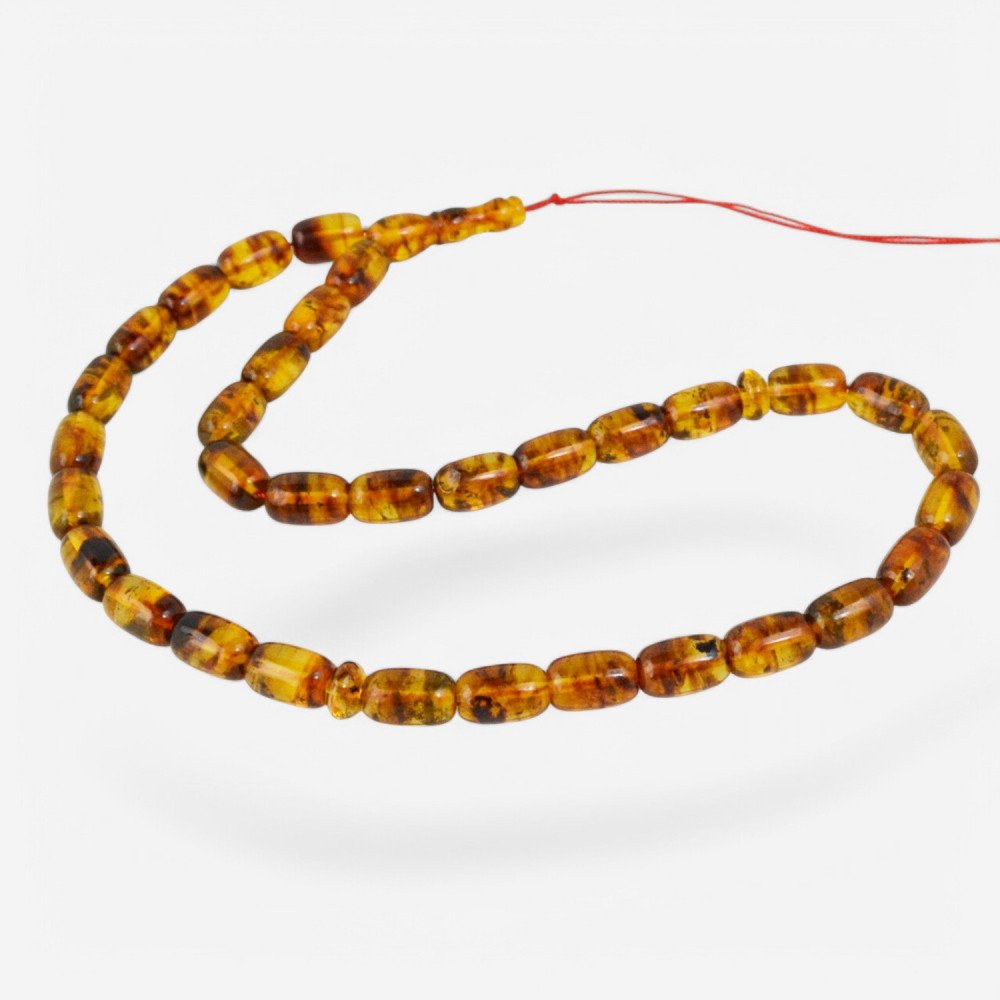
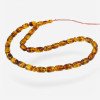
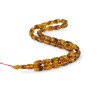
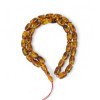
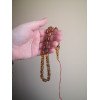
Weight: 19,9 grams, Beads: 33 balls, Size: 8 x 13 mm
Color: cognac, Amber: polished, Code: A0482
Artisans who craft amber prayer beads often hand-select pieces for clarity, inclusions, and color – ranging from light honey to deep cognac or cherry tones. The beads are carefully shaped, polished, and strung into sets of 33, with separators and a marker bead to aid in counting. Some prayer beads also include a tassel or decorative element at the end, emphasizing both aesthetic appeal and spiritual elegance. Beyond their religious function, amber rosaries are often given as special gifts for Eid, weddings, Hajj, or other significant life events. They symbolize purity, protection, and the enduring bond between faith and nature. In some cultures, it is believed that amber can protect against negative energy, making it especially cherished as a personal item.
Today, amber tasbih are not only used for daily prayers but are also collected as cultural artifacts, valued for their craftsmanship and regional origin. Markets across the Islamic world feature Baltic amber rosaries, and they are particularly appreciated in places like Turkey, the Middle East, and Southeast Asia, where prayer beads hold deep spiritual significance. The Baltic amber prayer beads reflect a beautiful harmony between Islamic devotion and natural artistry. Each bead holds centuries of history – both religious and geological – and serves as a quiet reminder of the divine. In a world that moves quickly, these beads invite stillness, remembrance, and spiritual grounding.
Data sheet
No customer reviews for the moment.
You might also like